Meetings feel fast when vocabulary is still manual.
Listening is not only about ears. In a live call, every common word has to become cheap enough that attention can stay on the decision.

If you came from the thread
English meetings feel fast when core words are not automatic. Listening improves when sound, meaning, and workplace context return before the call.
The issue is often exposure frequency and friction, not only talent or motivation.
Instead of one heroic session, make words return in small repeatable moments.
Use repeated exposure as a small passive loop before the next real study session.
You hear the sound but miss the decision
The meeting continues while you decode one word. By the time the meaning appears, the topic has moved to scope, timing, or responsibility.
Known words can still be too slow
A word can be known in reading but not automatic in speech. Meeting English exposes this delay.
Preparation should be lighter
The best pre-meeting routine is small enough to repeat: hear common terms, connect meanings, then enter the call with less friction.
1 call
Meetings repeat the same categories: status, risk, owner, deadline, decision, blocker, next step. Familiarity with these signals frees attention for the conversation.
Do not prepare only with transcripts
Read the words only
The vocabulary looks familiar on paper, but the spoken version still takes time to recognize.
Attach sound to the word
Repeated audio plus meaning makes the spoken word less surprising during the actual meeting.
Warm up the words before the call
Sound
Hear the word before the meeting.
Meaning
Attach it to a workplace action.
Call
Spend attention on the decision, not decoding.
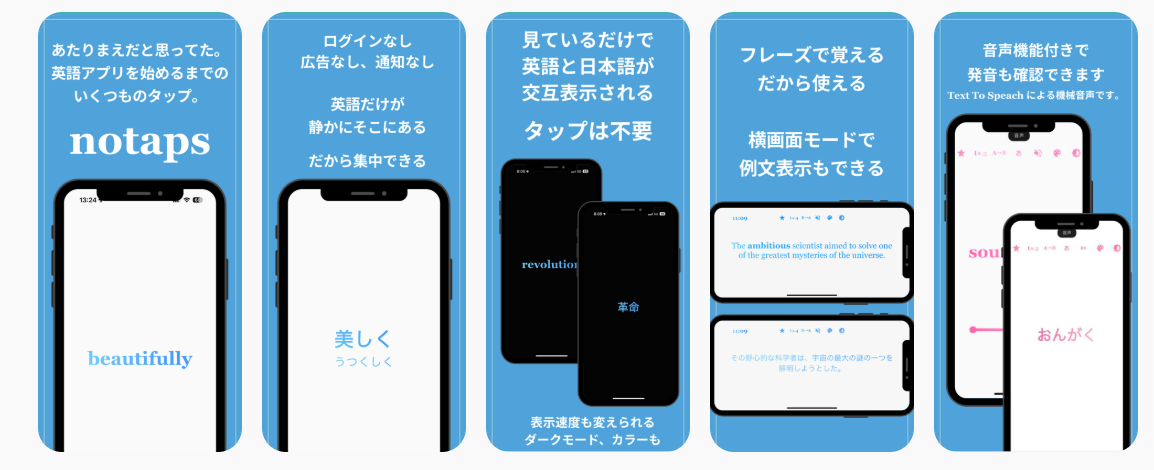
notaps Words as a pre-meeting vocabulary warm-up
Use notaps Words to keep English vocabulary returning as sound and meaning before work calls. 20 languages, offline, no ads, one-time purchase.
Meetings get easier when common words get cheaper.
The goal is not to translate every sentence perfectly. It is to make the repeated signals of work arrive fast enough to follow the conversation.