German words look long until the pieces become familiar.
Compounds are not only big words. They are smaller meanings joined together. The learner needs repeated contact with the pieces.

If you came from the thread
German vocabulary can look long and intimidating. Compounds become easier when the smaller building blocks return often enough to feel familiar.
The issue is often exposure frequency and friction, not only talent or motivation.
Instead of one heroic session, make words return in small repeatable moments.
Use repeated exposure as a small passive loop before the next real study session.
Length creates intimidation
A long German word can feel impossible at first glance. But many compounds become manageable when the learner recognizes the parts.
Parts need to become automatic
If every small word still takes attention, the compound overloads working memory. Familiar pieces make the whole word less heavy.
Sound matters too
Reading a compound is easier when the learner has also heard the smaller words. Sound helps the shape stop feeling abstract.
Break the word before it breaks attention
Treat every compound as one huge item
The word looks like a wall, and the learner tries to memorize it as a single object.
Recognize the building blocks
Repeated exposure to smaller words makes the compound feel assembled rather than mysterious.
2+
A practical German vocabulary habit should make common parts return often. The more familiar the pieces, the less intimidating the full word becomes.
Make the pieces cheap
Part
Recognize a smaller word or root.
Sound
Attach pronunciation to the piece.
Combine
Read the compound as a construction.
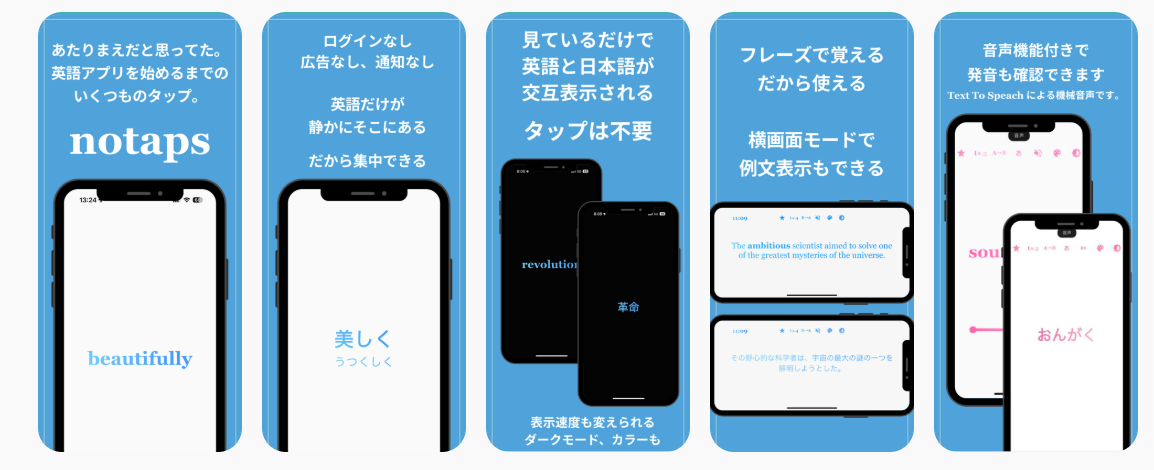
notaps Words for German vocabulary exposure
notaps Words supports German translations and passive vocabulary loops, helping common word pieces return before reading or coursework.
Long words become easier when the parts stop feeling new.
A compound is less frightening when the learner has already met the pieces many times.