Italian is easy to start and easy to abandon.
The motivation is often beautiful: travel, food, music, art, design, family, or work. The habit survives when words keep returning after that first spark.

If you came from the thread
Italian is often started for travel, culture, food, music, design, or work. The habit lasts longer when useful words return in small, repeatable moments.
The issue is often exposure frequency and friction, not only talent or motivation.
Instead of one heroic session, make words return in small repeatable moments.
Use repeated exposure as a small passive loop before the next real study session.
Motivation starts the language
A trip, a restaurant, a film, a song, or a design project can make Italian feel close. But motivation alone rarely schedules tomorrow.
Useful words should return
Greetings, food, directions, time, work, numbers, and polite requests become useful when they are familiar before the real moment.
Small sessions protect the habit
The goal is not to become fluent in one push. The goal is to keep the language present long enough for deeper study to become possible.
Turn interest into contact
Save Italian for the trip
The language only appears when the deadline is close, so every word feels new at once.
Let Italian return early
Small vocabulary loops make everyday words familiar before travel, work, media, or conversation.
1 loop
A language habit survives when the routine is small enough to repeat without negotiation. Passive vocabulary exposure is one way to keep the door open.
Keep the spark alive
Interest
Start from travel, culture, work, or family.
Return
Make common words come back daily.
Use
Let familiar words support real situations.
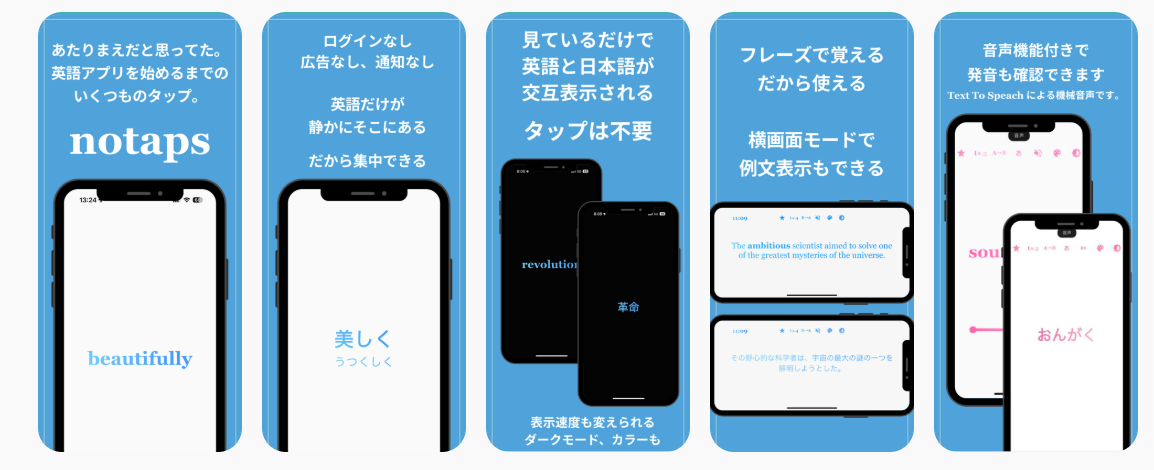
notaps Words includes Italian vocabulary loops
Use notaps Words to make Italian words and meanings return in small moments before travel, work, media, or deeper study.
Keep Italian close after the first spark.
Interest opens the door. Repeated vocabulary contact keeps it open.