Chinese is too big to learn by waiting for a perfect plan.
For work and global context, the first useful step is smaller: make core words return until the language stops feeling like a wall.

If you came from the thread
Chinese can be valuable for business, travel, supply chains, markets, and culture. The first durable step is making core words return often enough to feel less foreign.
The issue is often exposure frequency and friction, not only talent or motivation.
Instead of one heroic session, make words return in small repeatable moments.
Use Chinese vocabulary as a small passive loop before the next real study session.
The language touches many industries
Manufacturing, trade, tourism, entertainment, technology, research, and regional business all make Chinese vocabulary useful even before fluency.
Characters add visual load
Chinese learning asks the learner to connect sound, meaning, and characters. This is exactly where repeated small exposure helps.
A huge goal needs a small loop
A large language goal breaks when every session feels like a project. A small vocabulary loop keeps the door open.
Start with contact, not mastery
Try to solve Chinese all at once
Pronunciation, tones, characters, grammar, and vocabulary arrive together, so the learner waits for a perfect study system.
Make useful words return
Core vocabulary becomes less foreign. That makes later lessons, media, travel, and work context easier to enter.
3 layers
Chinese vocabulary often asks learners to connect multiple layers at once. Short repeated exposure can reduce the load before deeper study.
Make the first layer familiar
Sound
Hear the word often enough to reduce surprise.
Form
Let the written form become visually less distant.
Meaning
Attach it to a usable idea or context.
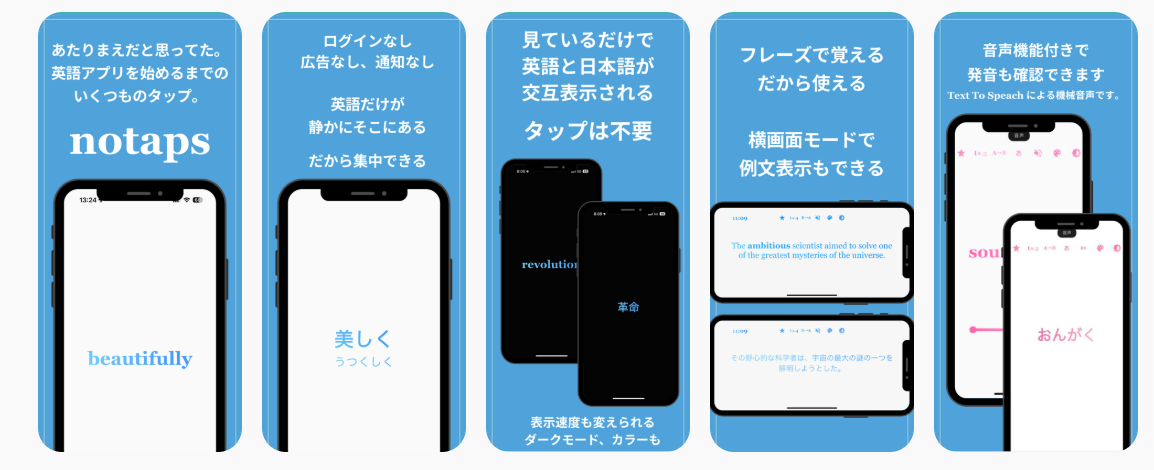
notaps Words includes Chinese vocabulary loops
notaps Words supports global vocabulary learning, including Chinese translations. Use it as a low-friction loop before courses, work, travel, or media study.
Do not wait for a perfect Chinese plan.
Start by making the language return. Familiarity is not fluency, but it is the door that makes fluency less distant.